

Additional information coming soon
Registration will open in December 2026.
The Society of Biopsychosocial Science and Medicine (SBSM) invites abstract submissions for the next Annual Meeting, March 17-20, 2027 in New Orleans, Louisiana.
The SBSM Annual Meeting is an open scientific and clinical forum where investigators from allied disciplines pool their knowledge, consider problems of conceptual relationships, and develop ideas that will stimulate further research.
The meeting is devoted to the presentation of scientific papers, symposia, workshops, poster sessions, and invited lectures, and special attention is given to networking opportunities to foster ongoing relationships within the organization.
We invite you to contribute to the exchange of information and ideas by submitting your research. Submissions that address the meeting theme of “Biopsychosocial Mechanisms of Restorative Practices for Health and Healing Across the Lifespan” are particularly encouraged. Limited competitive travel scholarships are available to authors to assist with the cost of attendance. Information on how to apply will be on the SBSM website in the coming weeks.
The deadline for abstract submissions is September 16, 2026 at 11:59pm EST.
More about the theme:
In 2027, the Society for Biopsychosocial Science and Medicine will turn toward the science of restoration and healing for individuals, communities, and the world we inhabit. The 84th Annual SBSM meeting will highlight cutting-edge findings on the mechanisms underlying restorative practices, ranging from yoga, meditation, and lifestyle interventions to restorative justice and ecological renewal, as well as the biobehavioral, psychological, and social pathways promoting recovery and repair across the lifespan. There will also be a focus on the importance of engaging with communities to build and restore trust.
Programming will highlight work on a variety of topics across the biopsychosocial health spectrum.
Here are the three types of submissions for the September 8th deadline:
- Symposium Submissions: A symposium provides an integrated set of presentations around a central theme. Proposals that address innovative, emerging, or provocative topics from multiple perspectives are encouraged. Symposium presentations typically include 3-4 presenters and a discussant who will conclude the presentation with an integrative summary and discussion. The symposium Chair/organizer should submit a synopsis of the session summarizing the symposium theme, objectives, and each presentation. Because the SBSM review process is blinded, author names should not be included in the synopsis. A separate abstract should be submitted for each presenter. Symposium presentations are scheduled for 60 minutes.
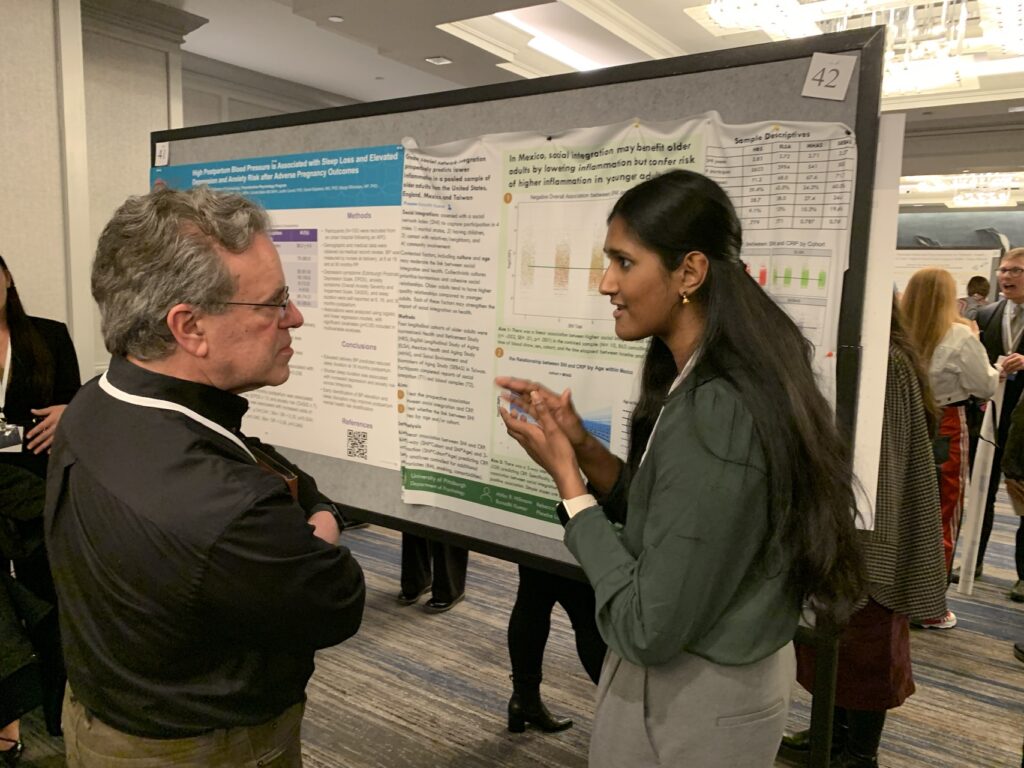
- Standard Abstract Submissions: Standard abstracts are presented during paper or poster session. Paper presentations are clustered with other papers around common themes and presented via oral presentations that are approximately 10 minutes in length per paper presentation. One abstract is submitted per paper presentation. Poster presentations are grouped thematically within the poster/exhibit hall. Poster Sessions allow abstract authors to discuss their research with interested colleagues for 90 minutes in an informal setting. One abstract is submitted per poster presentation.
- Case-Based Submissions: Case-based presentations should include a description of one or more clinical cases, followed by a discussion of the novel aspects of the cases/treatments and how they fit into the context of the relevant literature. If you are preparing a case-based submission, please obtain permission from the patient (or surrogate decision maker if appropriate) prior to submission.
**New this year: 5 Special Interest Groups (SIGs) will be awarding abstracts awards to thoese submission relevant to their missions. Make sure to indicate if you would like your abstract to be considered during the submission process.
There will also be a late-breaking abstract portal that will open later this year. Submissions made through this mechanism will only be considered for poster presentations. If you are interested in submitting a study currently in progress (i.e., without finalized results), we encourage you to submit when the late-breaking abstract portal is open.
We look forward to your submissions and to seeing you in New Orleans in 2027.
New this year: 5 Special Interest Groups (SIGs) will be awarding abstracts awards to those submission relevant to their missions. Make sure to indicate if you would like your abstract to be considered during the submission process.
Climate Change, Sustainability, and Health SIG Abstract Award
To recognize excellence in research that advances the understanding of the relationship between climate change, environmental sustainability, and health within the field of biopsychosocial science and medicine.
Early Career Network SIG Abstract Award
This award recognizes excellence in research led by (i.e., as submission’s first author) an early career researcher, defined as an individual who has completed their terminal graduate degree (i.e., Ph.D., M.D., or equivalent) and has transitioned to independence in an Assistant Professor position or equivalent early career position within academia, medical centers, government, or industry. Awards recognize abstracts that advance the understanding of biopsychosocial science and medicine during the critical early independence stage of the researcher’s career.
Emerging Leaders SIG Abstract Award
This award recognizes one abstract exemplifying particularly rigorous and impactful research in biopsychosocial science and medicine conducted by a student and/or trainee investigator. Abstract first-authors who are SBSM Associate Members or Associate-level non-Members are eligible to be considered for this award.
Associate Members/Associate-level non-Members are defined as: students and trainees who are enrolled in baccalaureate or post-baccalaureate scientific, medical, behavioral, and related fields concerned with biological, behavioral, psychological, social and contextual processes in health and disease. Such positions include undergraduate or graduate students, post-baccalaureate scholars and professionals, clinical interns, medical residents, post-doctoral fellows, and medical fellows.
LGBTQ+ Health SIG Abstract Award
To recognize outstanding biopsychosocial research that advances understanding of LGBTQ+ health. This award honors scholarship that examines the health, well-being, and lived experiences of lesbian, gay, bisexual, transgender, queer, and other sexual and gender minority populations across the life course. The award is intended to highlight research that improves knowledge of LGBTQ+ health status, identifies biopsychosocial factors that shape health outcomes, and contributes to more inclusive, equitable science and medicine. In alignment with the mission of the LGBTQ+ Health Special Interest Group, the award also supports work that fosters collaboration among LGBTQ+ scholars, allies, and researchers committed to improving health and well-being for LGBTQ+ communities nationally and internationally.
Psychosocial Well-Being & Health SIG Abstract Award
To highlight exemplary research focused on the promotion of human flourishing, including the identification of psychological factors and processes, social constructs and contexts, and biological mechanisms and pathways that can be targeted or leveraged to optimize biopsychosocial functioning.
SAVE THE DATE: 2027 Annual Meeting
Society for Biopsychosocial Science and Medicine
84th Annual Scientific Meeting
"Biopsychosocial Mechanisms of Restorative Practices for Health and Healing Across the Lifespan"
March 17-20, 2027
New Orleans, LA
In 2027, the Society for Biopsychosocial Science and Medicine will turn toward the science of restoration and healing for individuals, communities, and the world we inhabit. The 84th Annual SBSM meeting will highlight cutting-edge findings on the mechanisms underlying restorative practices, ranging from yoga, meditation, and lifestyle interventions to restorative justice and ecological renewal, as well as the biobehavioral, psychological, and social pathways promoting recovery and repair across the lifespan. There will also be a focus on the importance of engaging with communities to build and restore trust.